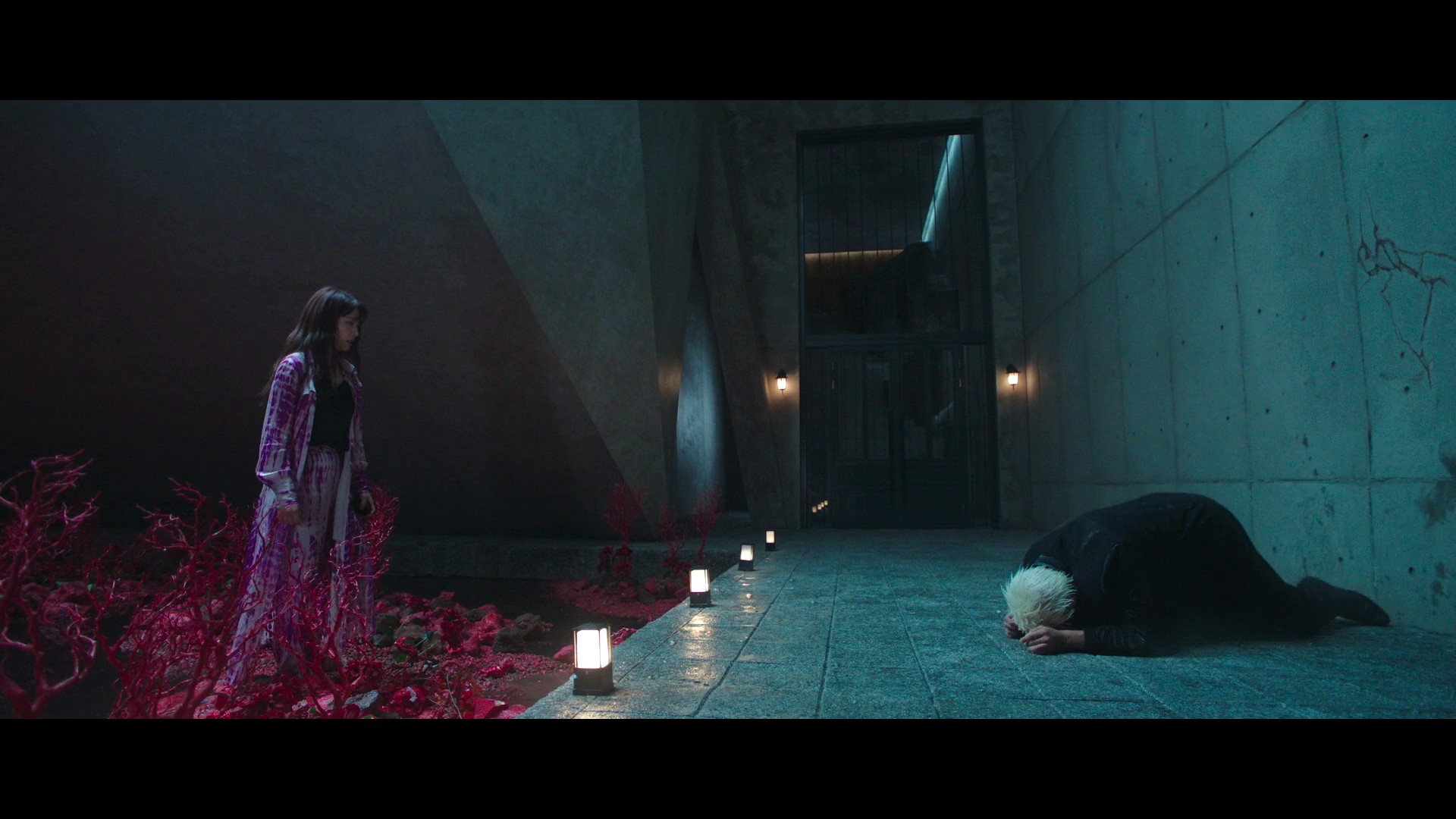
You’ve seen the "cold judge" trope a thousand times in K-dramas, right? Usually, it's some stoic guy in a robe who cares too much about the law. But The Judge from Hell K-drama flips that script and sets it on fire. We aren't talking about a legal procedural here. We are talking about a literal demon from the pits of Gehenna possessing a human judge’s body to hunt down murderers who feel zero remorse.
It’s messy. It’s violent. It’s kinda hilarious in a dark way.
Most people went into this expecting a standard revenge story. What they got was Park Shin-hye playing a character so unhinged and unapologetic that it basically redefined her entire career. If you’re used to her playing the "candy" girl or the hardworking heroine, Kang Bit-na is a total shock to the system. She’s arrogant. She loves expensive shoes. She has absolutely no empathy for the victims—at least at first—because, well, she’s a demon.
What Actually Happens in The Judge from Hell K-drama?
The setup is pretty wild. Justitia, a high-ranking demon judge from Hell, makes a massive mistake in the afterlife and gets punished. Her sentence? She has to inhabit the body of the deceased judge Kang Bit-na and send ten unrepentant murderers to Hell within a year. But there’s a catch. She doesn't just judge them in court; she has to track them down, make them experience the pain they caused their victims, and then literally "stamp" them for eternal damnation.
Then you have Han Da-on, played by Kim Jae-young. He’s a detective who is the polar opposite of Bit-na. He’s all heart, all trauma, and all about the actual legal system.
Their dynamic isn't your typical K-drama romance. It’s more of a philosophical tug-of-war. He wants to save people; she wants to send them to the underworld. Honestly, the tension comes from the fact that he’s the only one who can see through her "demon" persona, mostly because she’s not exactly subtle about her supernatural powers.
One of the most interesting things about The Judge from Hell K-drama is how it handles the "villain of the week" format. Each case usually involves a criminal who escaped justice through a loophole or a lack of evidence. The show taps into a very real-world frustration with the Korean legal system—something we've seen in shows like Taxi Driver or The Devil Judge. It gives the audience that visceral satisfaction of seeing a bad person get exactly what they deserve, minus the red tape.
The Problem With Perfect Justice
Is it actually justice if a demon is doing it? That’s the question the show keeps poking at.
Bit-na isn't a hero. She’s an executioner. The show spends a lot of time showing the gruesome details of her "sentencing" sessions. It’s stylized, sure, but it’s dark. You find yourself rooting for a demon to stab someone because the human they killed suffered so much. It makes you feel a bit complicit.
The drama also dives deep into the backstory of the original Kang Bit-na. Why was she murdered? Who was she involved with? This layer of mystery keeps the plot from just being a "slasher of the week" show. We learn about the prestigious family she was supposed to marry into and the secrets they are hiding. It turns out the humans might be scarier than the demons.
Why Park Shin-hye’s Performance Changed Everything
Let’s be real. Park Shin-hye was the biggest draw here. For years, critics said she played the same role over and over. In The Judge from Hell K-drama, she looks like she’s having the time of her life. The way she sneers at people, her dead-eyed stare, the way she hums while preparing to send someone to Hell—it’s iconic.
She managed to make a demon likable without making her "soft" too quickly. Usually, these shows have the cold lead turn warm by episode 4. Bit-na stays a brat for a long time. She stays selfish. She stays obsessed with her own mission.
And the outfits? The wardrobe department deserves a raise. Every scene is a fashion show. It contrasts so sharply with the grimy, blood-splattered scenes of her "trials." It’s a visual representation of her character: a polished, beautiful exterior hiding something monstrous and ancient.
The Supporting Cast and the "Hell" Bureaucracy
We can't ignore the other demons. The show builds out a whole mythology. You have the veteran demon who acts as Bit-na's assistant/cleaner, and the younger demon who works at a convenience store. Their interactions bring a lot of the dark comedy that balances out the heavy themes of domestic abuse and serial murder.
The portrayal of "Hell" in this drama is more of a corporate bureaucracy than a pit of fire. It’s about quotas, rules, and hierarchies. It makes the supernatural elements feel weirdly grounded. When Bit-na gets "calls" from the afterlife or has to deal with her boss, it feels like a high-stakes office job where the penalty for failure is eternal torment.
The Controversy Over the Ending
Without spoiling every single beat, the finale of The Judge from Hell K-drama left some fans divided. Whenever you mix a gritty crime thriller with supernatural romance, the landing is hard to stick. Some felt the shift toward Han Da-on's personal trauma took away from the "demon hunting" fun. Others felt the romance was unnecessary.
But looking at the ratings, it’s clear the show hit a nerve. It consistently topped its time slot. Why? Because it touched on the "eye for an eye" sentiment that is so prevalent in modern society. We’re tired of seeing criminals get light sentences. We want the Demon Judge to show up and do what the law won't.
Real-World Connections: The Legal System in Korea
It’s worth noting that many of the cases in the show are loosely inspired by real-life frustrations in South Korea regarding sentencing. There’s a recurring theme of "diminished responsibility" due to mental health or alcohol, which often leads to shorter prison terms in real life. The Judge from Hell K-drama takes these real-world grievances and provides a cathartic, albeit violent, solution.
It’s a fantasy of accountability.
Actionable Takeaways for K-Drama Fans
If you haven't started it yet, or if you're looking for something similar, here is how to approach this genre-bending show:
- Adjust your expectations for "romance": If you want a sweet, bubbly love story, look elsewhere. This is a slow-burn, "I might kill you or I might save you" kind of vibe.
- Watch for the subtext: Pay attention to the mirrors and reflections used in the cinematography. They often hint at the struggle between the human Bit-na and the demon Justitia.
- Check out the director's previous work: If you like the visual style, look into Park Jin-pyo’s films. He knows how to handle "dark justice" themes.
- Don't skip the "filler" demon scenes: They actually explain a lot of the rules that become crucial in the final episodes.
The best way to experience The Judge from Hell K-drama is to embrace the campiness alongside the darkness. It’s a show that knows it’s a bit over-the-top and leans into it with style.
If you're finishing the series now, the next logical step is to explore the "Revenge Procedural" sub-genre. Shows like The Devil Judge (for the legal theatricality) or Death's Game (for the supernatural punishment aspect) pair perfectly with this. You can also look into the original webtoon sources that often inspire these demon-centric plots to see how the lore differs from the live-action adaptation. The trend of "Anti-Hero Justice" isn't going anywhere, and this drama is currently its gold standard.