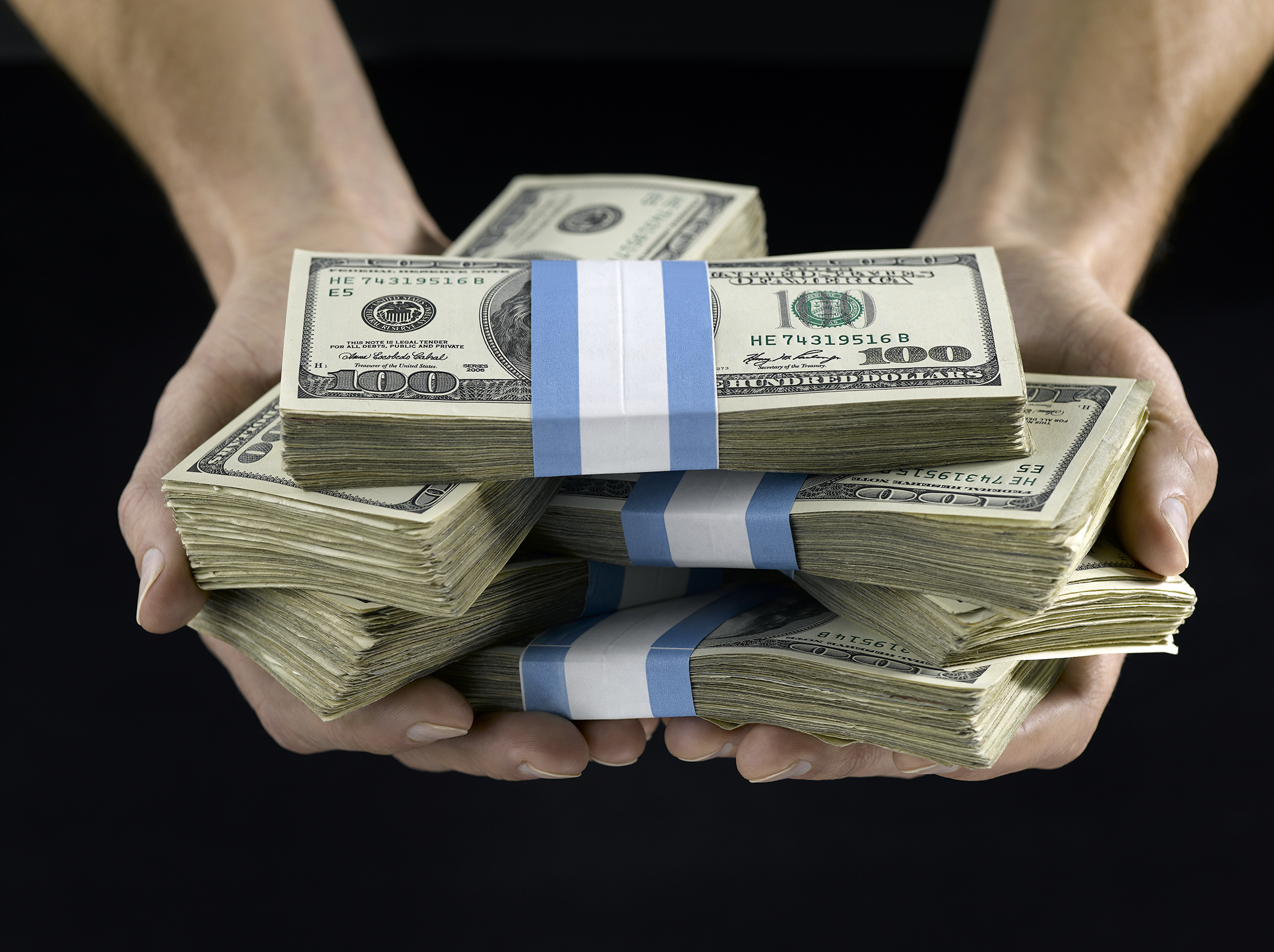
You’ve probably seen the videos. Someone walks up to a stranger in a grocery store, hands them a stack of hundreds, and records the tearful reaction for millions of viewers to watch later that night. It feels surreal. It feels like a fever dream or some weird digital Robin Hood fantasy. But people giving away money has become a massive, multi-platform phenomenon that blurs the lines between genuine altruism, tax strategy, and high-stakes content creation.
It's weird.
Honestly, the sheer volume of cash moving through the hands of creators and philanthropists right now is staggering. We aren't just talking about a five-dollar tip for a barista. We're talking about life-changing sums—rent for a year, new cars, or literal houses—being handed out to people who just happened to be in the right place at the right time. But why? Is it just for the "likes," or is there something deeper happening in the way we handle wealth in a hyper-connected world?
The Rise of Philanthro-Content
If you spend any time on YouTube, you know Jimmy Donaldson. Most people know him as MrBeast. He basically pioneered the modern "giving" genre. He’s the most obvious example of how giving away money became a self-sustaining business model. In 2023, he released a video titled "1,000 Blind People See For The First Time," where he paid for cataract surgeries. It was a massive hit. It was also incredibly controversial.
Critics argued that basic healthcare shouldn't depend on the whims of a YouTuber. Others saw it as a pure act of kindness that the government failed to provide. This is the core of the "people giving away money" trend. It creates a tension between the immediate help provided to an individual and the systemic issues that make the help necessary in the first place.
But let’s look at the mechanics. When a creator gives away $10,000, they might make $50,000 in ad revenue and sponsorships from that specific video. That profit then funds the next giveaway. It’s a loop. It’s basically a charitable engine powered by your attention. Is it exploitative? Maybe. Is it effective? Undeniably.
The Bill Pulte Phenomenon
Then there’s Twitter—or X. Bill Pulte, the grandson of the founder of PulteGroup, started "Twitter Philanthropy." He doesn't make high-production videos. He just tweets. He asks people to tell him what they need and then sends money via Cash App or Venmo.
It’s fast. It’s chaotic. It’s 2026, and this direct-to-consumer giving has only intensified.
People often wonder if it's real. Pulte has been verified by various news outlets, but his method has also spawned a thousand imitators. Some are legitimate; many are predators. That’s the danger of this space. For every real person giving away money, there are ten bots in the comments claiming they can "double your Bitcoin" if you just send a small "transaction fee" first.
The Psychology of the Giveaway
Why do we love watching this? There is a specific psychological high we get from seeing someone’s life change in an instant. It’s "prosocial behavior" by proxy.
A study published in Nature Communications explored how observing others behave altruistically actually triggers dopamine releases in the observer's brain. We feel good when they feel good. In a world where the news is often a relentless cycle of "everything is broken," seeing a stranger get their student loans paid off feels like a win for humanity.
It’s a bit of a sugar rush.
But there’s a darker side. We’ve become a society where we treat financial salvation like a lottery. Instead of voting for policy changes, we find ourselves hoping we’ll get a "like" from a billionaire. It changes the dynamic of charity from a private, dignified act into a public performance.
Beyond Social Media: Real-World Direct Giving
While the internet gets the most eyes, there is a massive movement in the "boring" world of economics called Universal Basic Income (UBI) and Guaranteed Income pilots. This is the institutional version of people giving away money.
- In Stockton, California, the SEED program gave 125 residents $500 a month for two years.
- The results? People didn't stop working. They actually found better jobs because they had the financial breathing room to interview and train.
- In Chicago, the "Resilient Communities" pilot gave $500 monthly to 5,000 low-income households.
- Research from these pilots consistently shows that when you give people money, they spend it on the basics: food, utilities, and transportation.
This isn't just "kindness." It's data-driven policy. It challenges the long-held myth that poor people are "bad with money." Most of the time, they are just "short of money."
Spotting the Scams: How to Stay Safe
If you are looking for help or following people giving away money, you have to be cynical. You just have to. The "Cash App Giveaway" is the number one hook for modern scammers. They use the names and photos of real philanthropists like MacKenzie Scott or high-profile CEOs to trick people.
Here is the golden rule: A real philanthropist will never ask you for money to receive money.
If someone says you won $5,000 but you need to pay a $50 "processing fee" or "shipping fee," it is a scam. Every single time. No exceptions. They will never ask for your password. They will never ask you to "verify" your account by sending them a code.
Why Scammers Target This Niche
Scammers are parasites. They know that people looking for "people giving away money" are often in desperate financial situations. Desperation makes us overlook red flags. They play on the hope that today is finally the day your luck changes.
The Tax Angle: Why the Rich Give
Let's be real for a second. Large-scale giving isn't always about the warm-and-fuzzies. It’s often about the IRS. In the United States, the tax code is designed to encourage charitable donations.
When someone like Warren Buffett or Bill Gates pledges billions, they aren't just emptying their pockets. They are moving money into foundations where it can be invested and grown, all while significantly reducing their taxable income. This is "philanthro-capitalism." It allows the ultra-wealthy to maintain influence over how public-serving projects are funded, rather than letting the government decide through tax revenue.
It’s a power move.
How to Actually Find Legitimate Help
If you’re struggling, don’t wait for a YouTuber to find you. The odds are roughly the same as winning the Powerball. Instead, look into structured direct-giving organizations that operate with transparency.
- GiveDirectly: This is a non-profit that sends money directly to people living in extreme poverty. They use data and rigorous tracking to ensure the money gets where it needs to go without middle-men.
- Modest Needs: They focus on "the working poor"—people who have jobs but are one emergency away from homelessness. They fund specific, small-scale grants for things like car repairs or medical bills.
- Benevolent: This platform allows people to post their specific needs (like a pair of work boots or a laptop for school), and donors can fund those specific items directly.
Actionable Steps for Navigating the "Giving" World
Whether you are looking for help or looking to give, you need a strategy. This isn't just about clicking "retweet" and hoping for the best.
If you need help:
Skip the social media comments. Go to 211.org if you are in the US or Canada. It’s the most comprehensive database for local assistance programs. It won't give you a viral video moment, but it will get you connected to food pantries, rental assistance, and utility help that actually exists.
If you want to give:
Don't just give to the most famous person. Look for small, local non-profits where $50 actually moves the needle. Use Charity Navigator to check the "Program Expense Ratio." If a charity is spending 40% of its budget on marketing and "fundraising," look elsewhere. You want your money going to the people, not the billboards.
If you are engaging on social media:
Protect your data. Never post your Cash App tag, phone number, or email in a public comment. Scammers use scrapers to build lists of "targets." If a creator is doing a legitimate giveaway, they will usually have a secure form or a specific, verified way to enter.
The world of people giving away money is a wild, messy, beautiful, and sometimes dangerous place. It represents our best impulses and our weirdest modern incentives. Just remember that behind every viral video is a complex web of tax laws, algorithm chasing, and—occasionally—a person who just wants to do something good. Keep your eyes open and your guard up.
Next Steps to Secure Your Finances
- Audit Your Online Presence: Remove your payment handles (Venmo, Cash App) from public social media profiles to prevent being targeted by "giveaway" bots.
- Verify Before You Trust: If you see a high-profile "giving" post, check for the blue (or gold) checkmark, but also look at the follower count and the history of the account. Scammers can buy verification.
- Use Official Channels: For real financial assistance, use the FindHelp.org database to locate government and non-profit resources in your specific zip code.